The Last Harvest, and the First Burndown
The final cutting of Tifton 85 came off the field in late June. Now we turn roughly 45% of the property back toward native prairie.
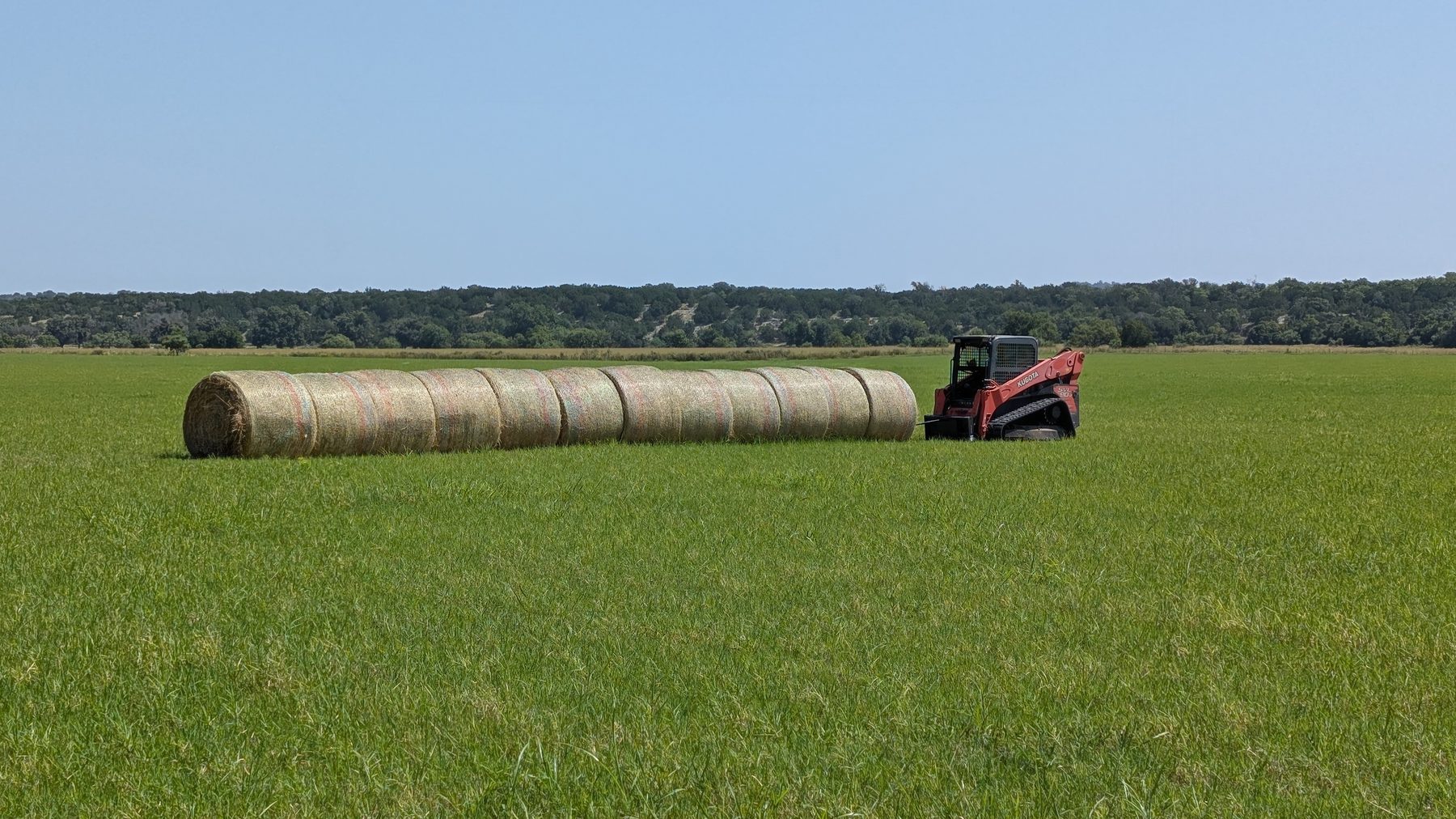 Fig · The last bales off the meadow, moved into the row · late June 2026
Last week, in the last hot days of June, the final full cutting of Tifton 85 bermudagrass came off the meadow. It was a strange thing to stand next to — good hay, cut clean, and the last of its kind we mean to make here. With the bales off, the conversion can start.
Over the next window we're going to treat roughly 45% of the property: knock down the introduced grasses that run it — Tifton 85 bermudagrass, King Ranch bluestem, Johnsongrass — and get a clean seedbed ready for a native mix. This is the single biggest thing the restoration will do, so we want to be straight about exactly what it involves and why.
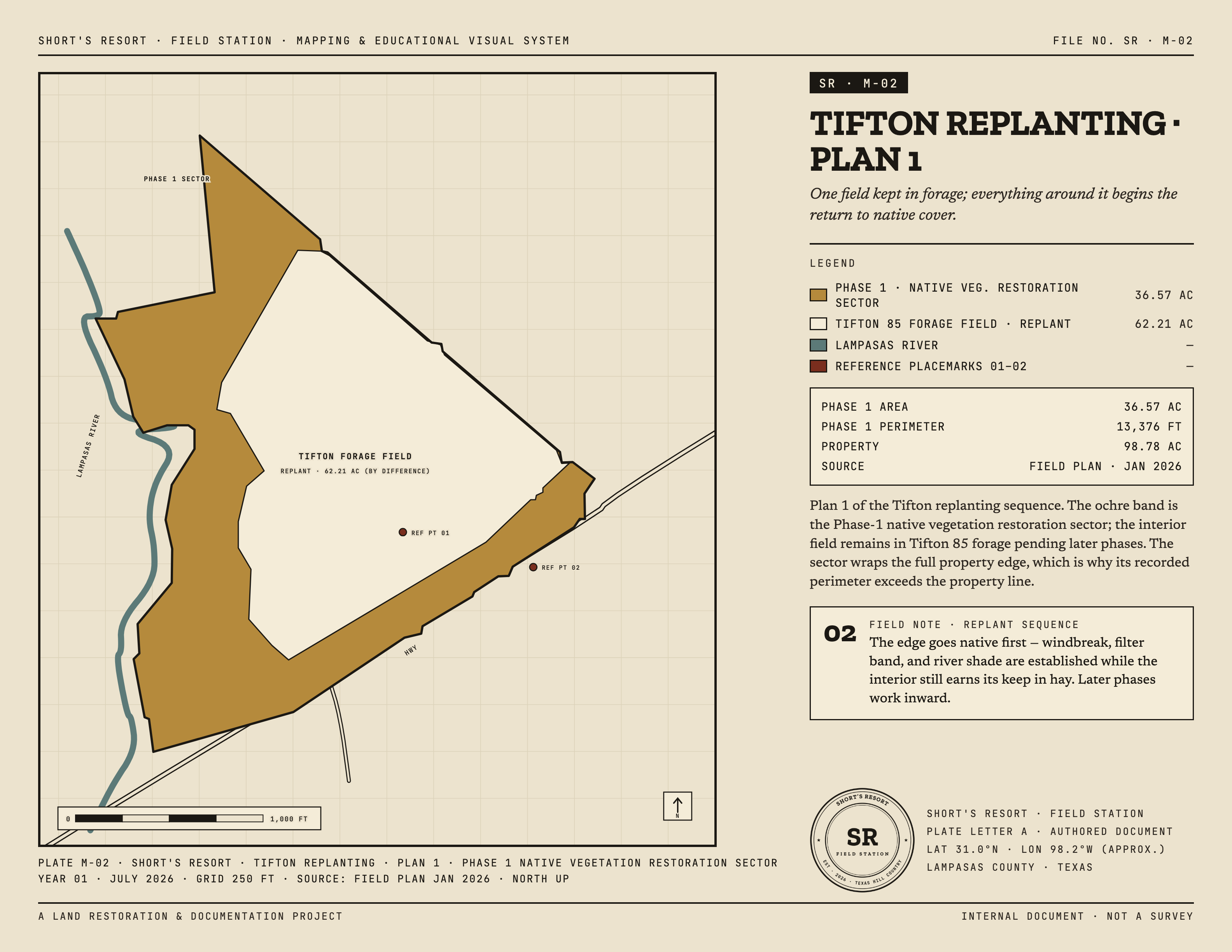
We're not converting everything at once. Roughly 45% stays in Tifton 85 for now — kept in hay until the native replanting proves itself — and we'll do our best to hold clean breaks between the standing Tifton and the new native stands. That retained hay brings in a small but steady income that helps pay for the restoration while the natives get going.
The treatment
The knockdown is a glyphosate application, mixed for the job. Away from water we use a standard terrestrial formulation; anywhere near the river and its drainages we switch to an aquatic-approved one, labeled for use over and around water. Here's exactly what goes in the tank.
We're putting it down by drone instead of a tractor-pulled boom, and that buys us three things: much more targeted, accurate coverage; the ability to work around individual trees and mottes we want to keep; and reach into the hard places — the brushy, uneven ground along the river where a tractor and sprayer just can't go.
Two passes, then never again
We're not casual about spraying, and we've got no intention of farming with herbicide. The plan is a limited, deliberate knockdown — at most two passes to burn through the bermudagrass and Johnsongrass rhizomes — and then no broadcast glyphosate on these acres again. Once the natives are drilled, management shifts for good to the tools a prairie actually wants: prescribed fire, timed grazing, and spot-treating the individual reinvaders by hand.
Why glyphosate, and why it’s the right call here
Tifton 85 is a sterile hybrid bermudagrass that spreads by dense rhizomes and stolons, not seed — and it's a bastard to kill. At field scale there's no mechanical way to get rid of it that doesn't also wreck the soil structure we're trying to protect; tilling that fine would just invite erosion on our slopes and along the river. A targeted chemical knockdown followed by no-till drilling is the standard restoration practice, and it's exactly the method Texas Parks & Wildlife specifies under Pastures for Upland Birds: the right herbicide to kill the exotic grasses, then no-till seeding of natives.
Glyphosate is the right chemistry for a one-time conversion. It's non-selective, so it takes the bermuda, KR bluestem and Johnsongrass all together. It binds tightly to soil particles and gets broken down by soil microbes instead of hanging around or moving through most soils. And it leaves no residual soil activity, so native seed can germinate weeks later without a problem. Near the river we don't touch the standard product — the aquatic-labeled formulation (Aquaneat) is made and approved for exactly this situation, without the surfactant that makes terrestrial products unsafe over water.
What goes back down
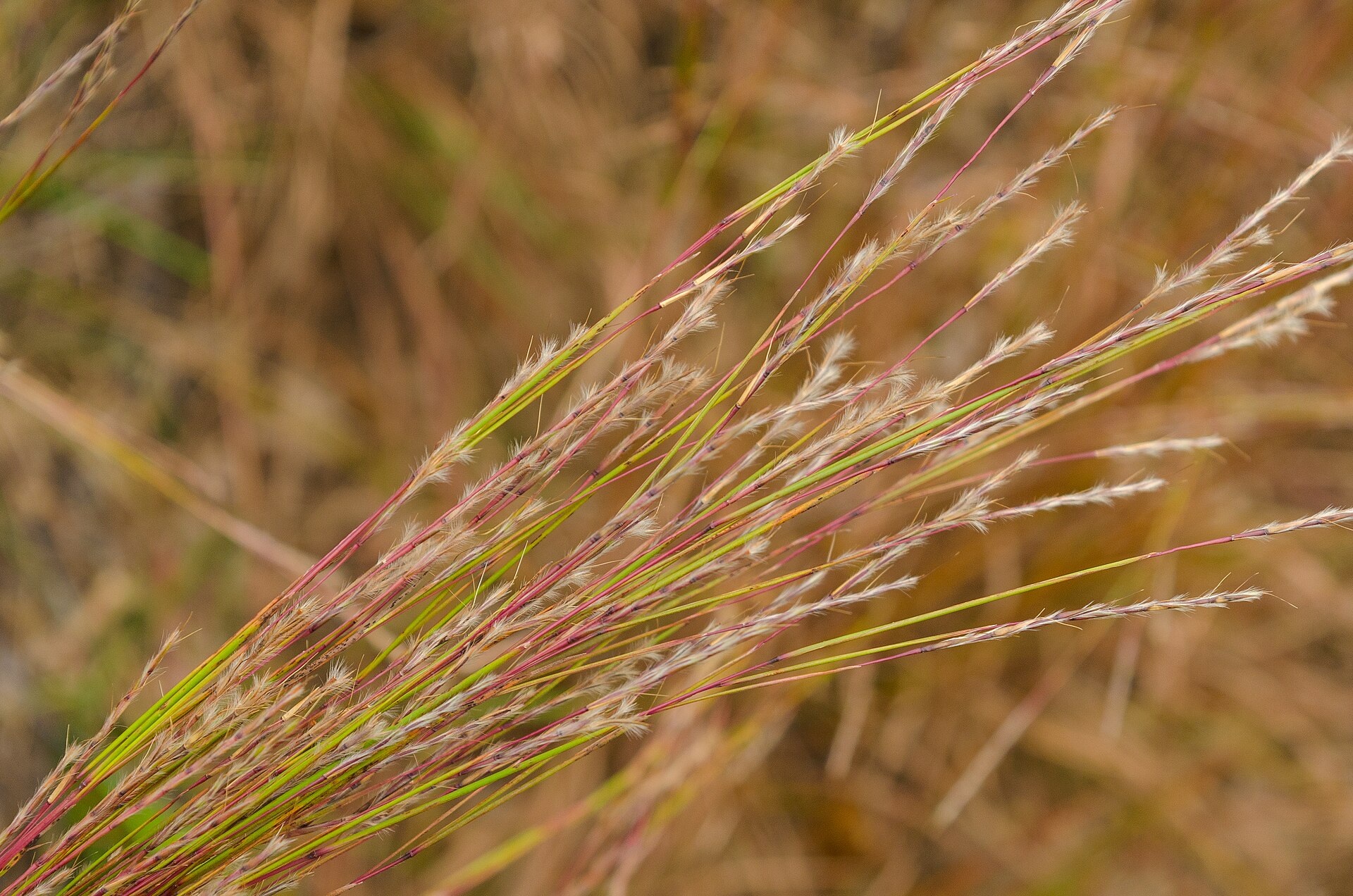
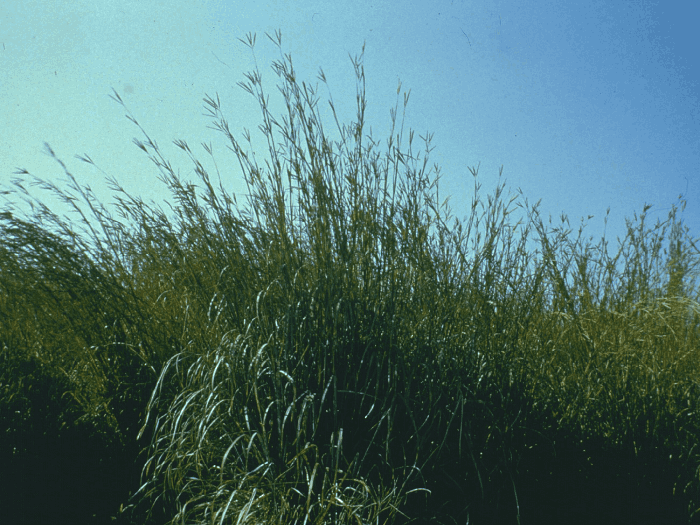
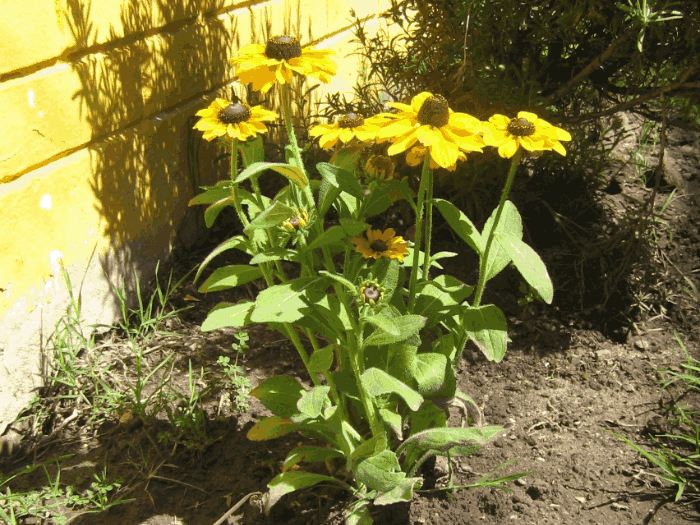
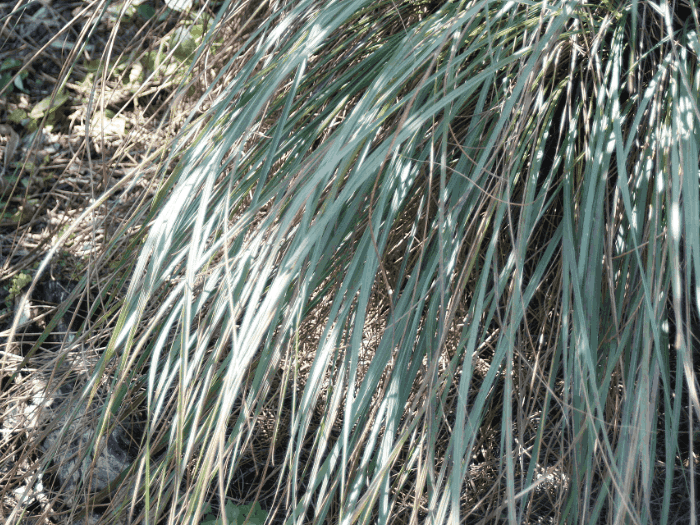
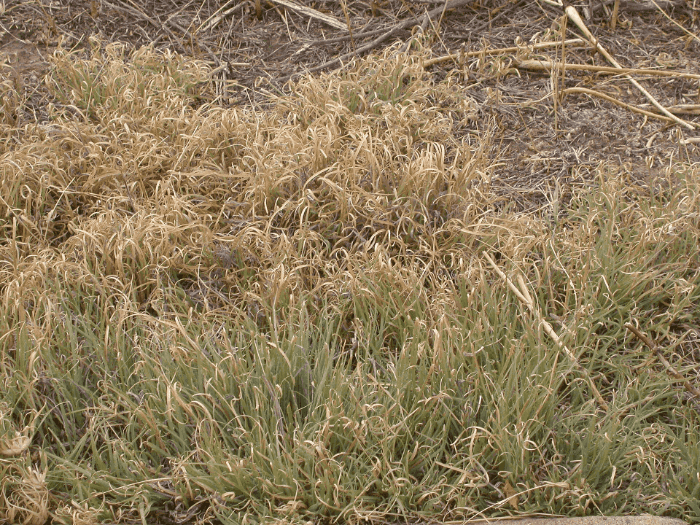
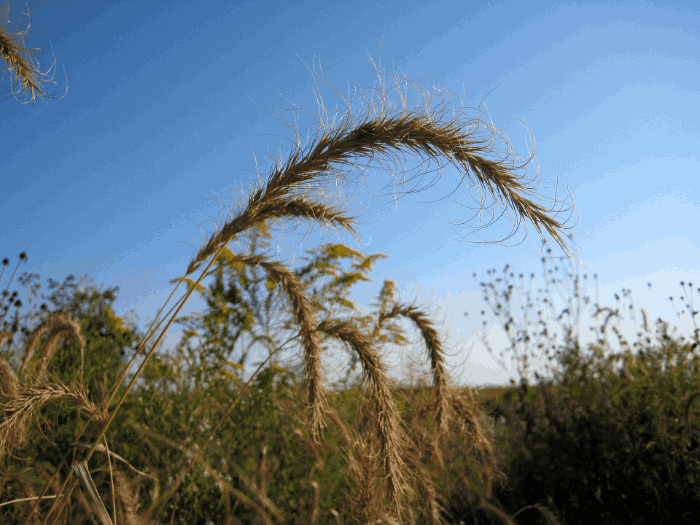
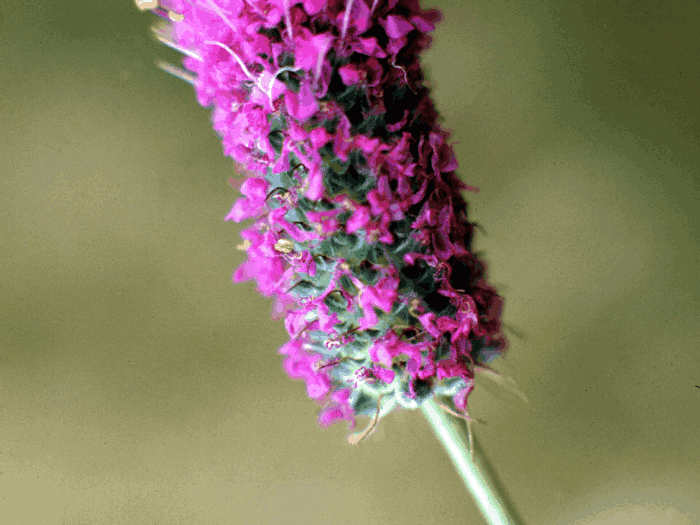
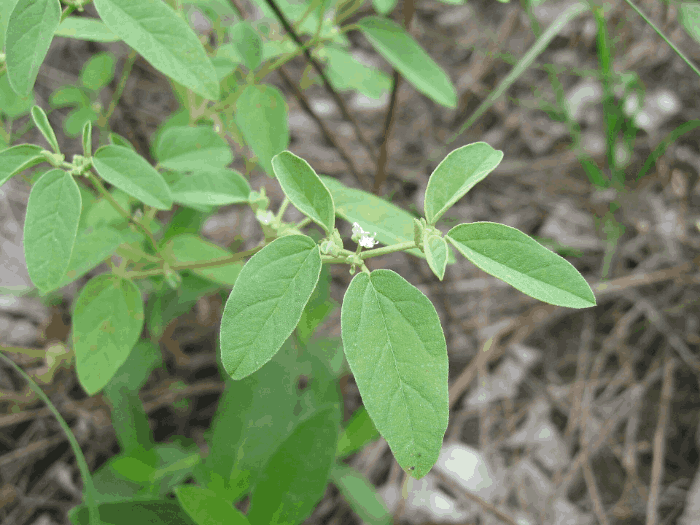
The seedbed gets drilled with a native grass-and-forb mix Texas Parks & Wildlife designed for this ecoregion under PUB, sourced from Bamert Seed Company in Muleshoe, Texas. Deep-rooted bunchgrasses for structure and soil, plus a broad set of wildflowers and legumes for the pollinators and birds. The full mix is below.
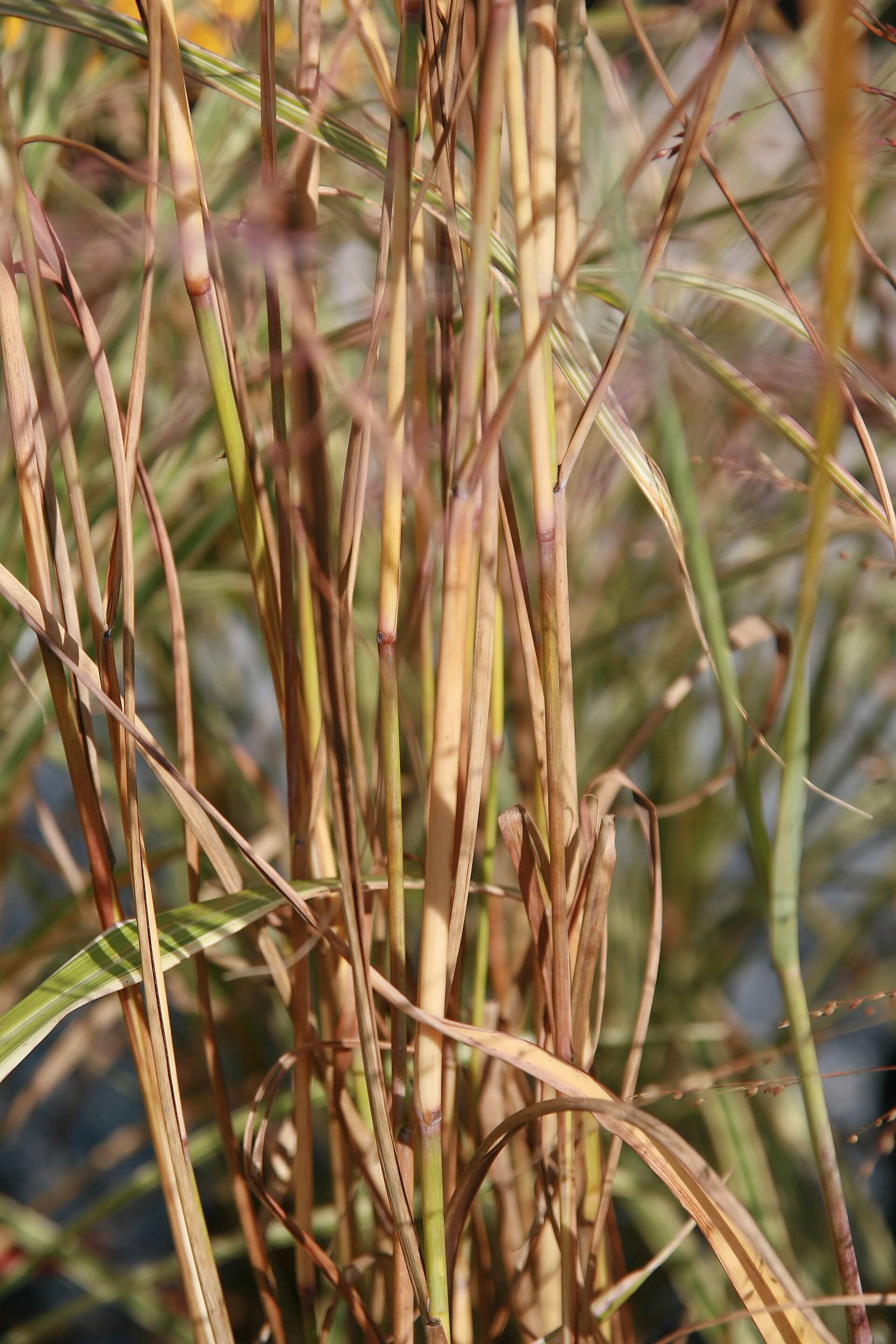
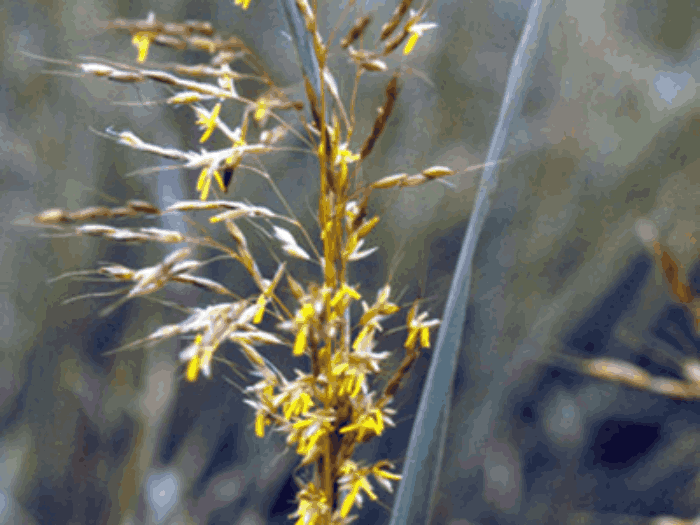
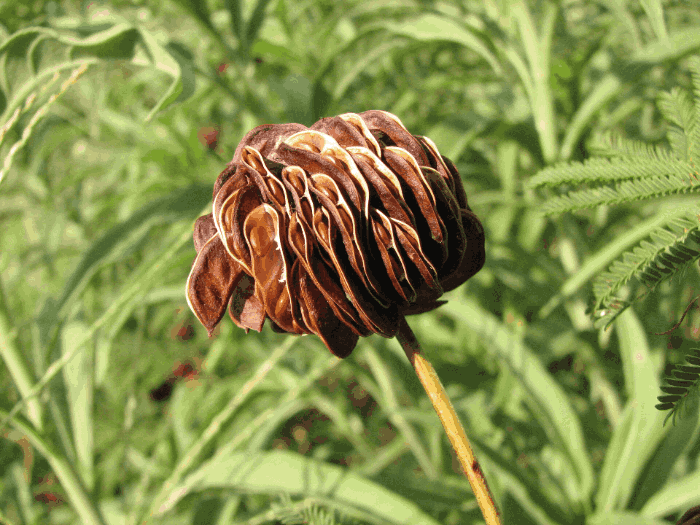
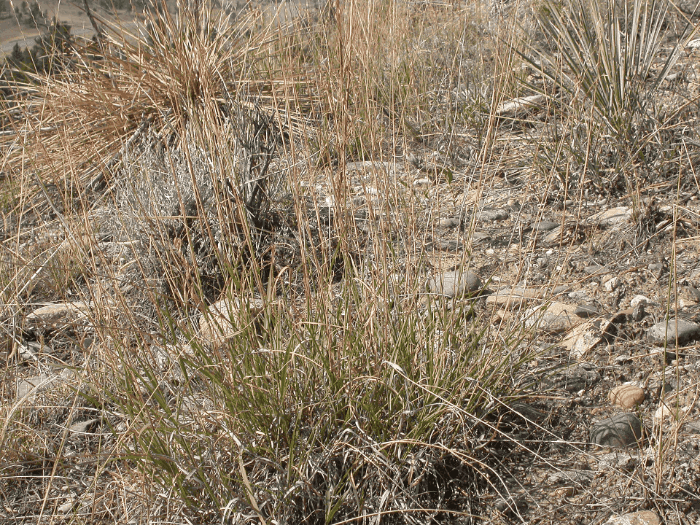
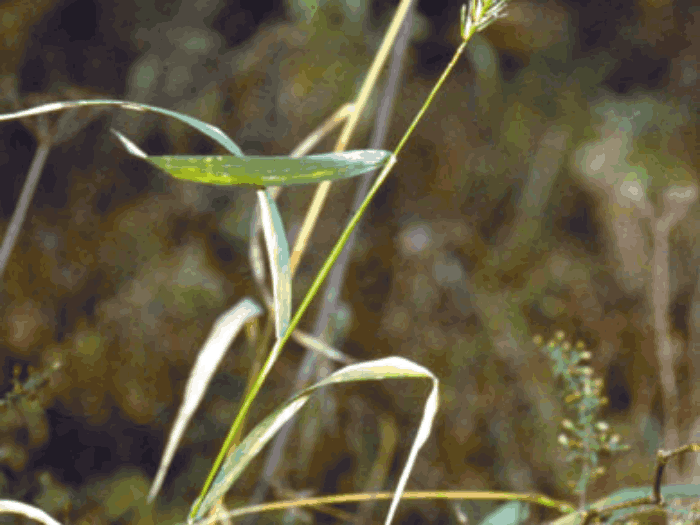
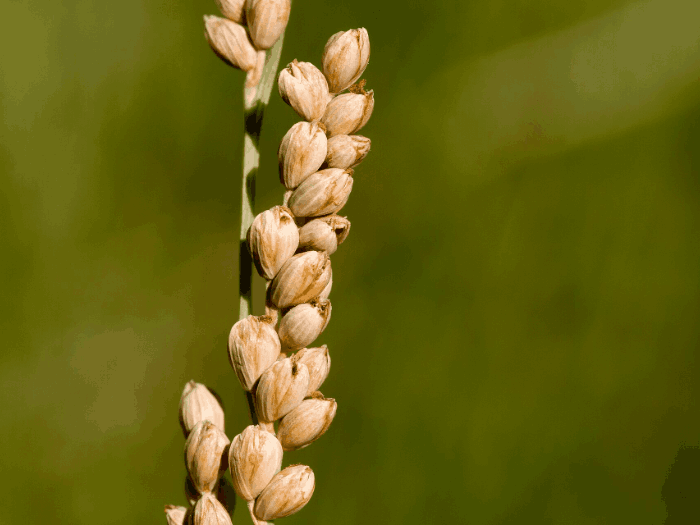
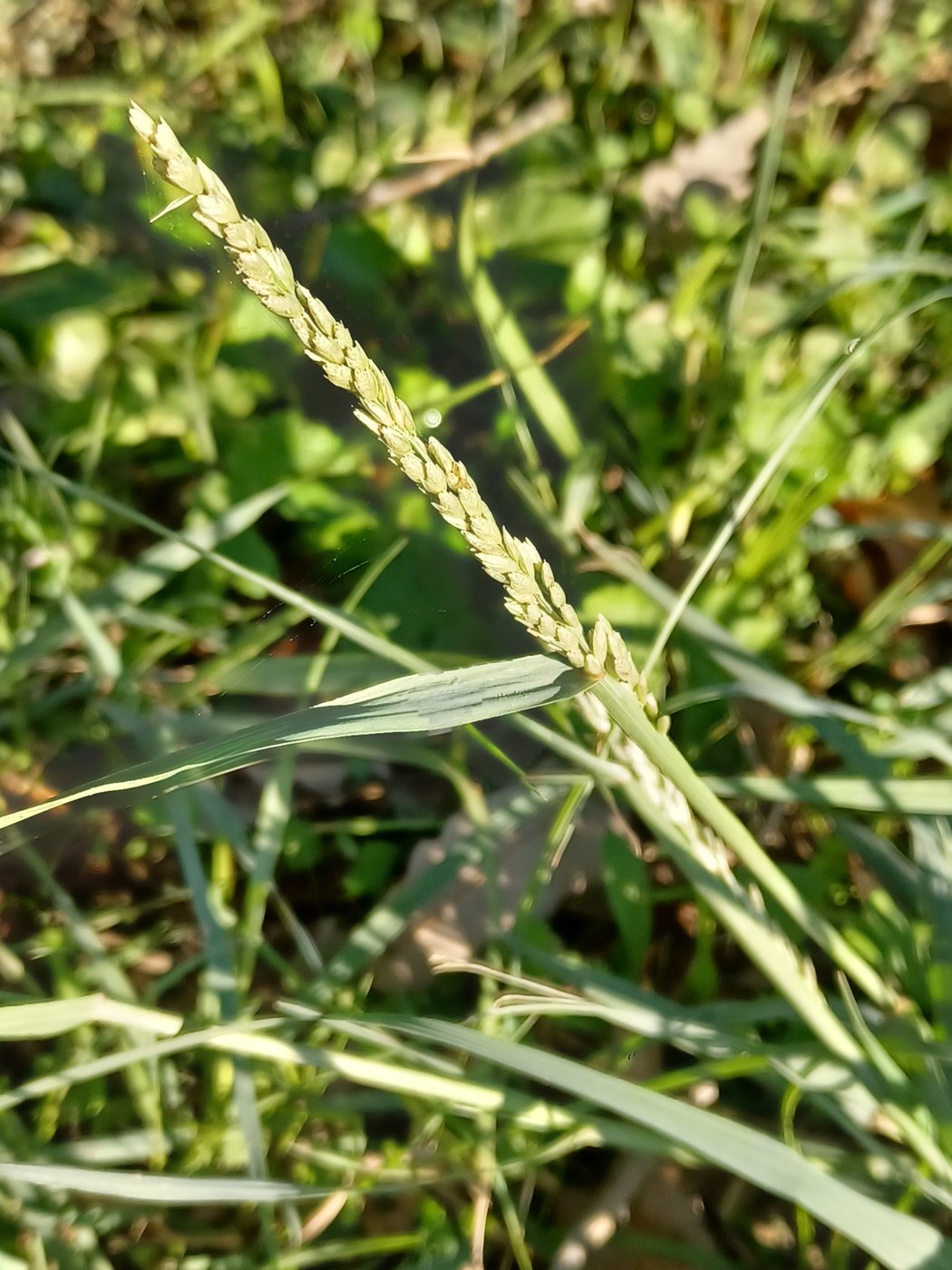
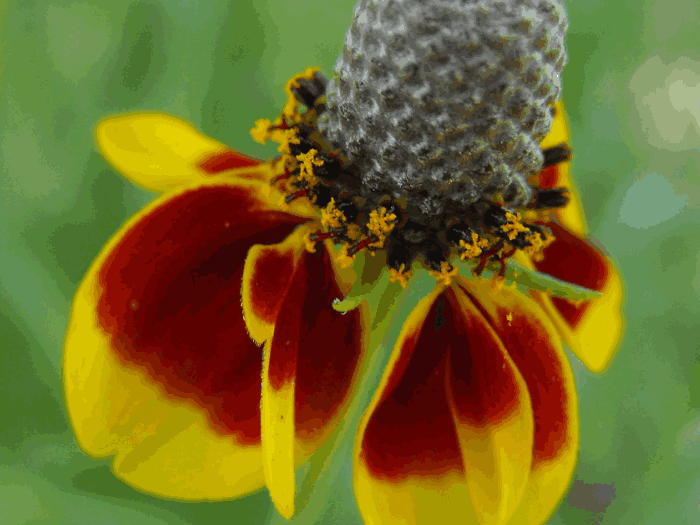
Reference images — not made on this property
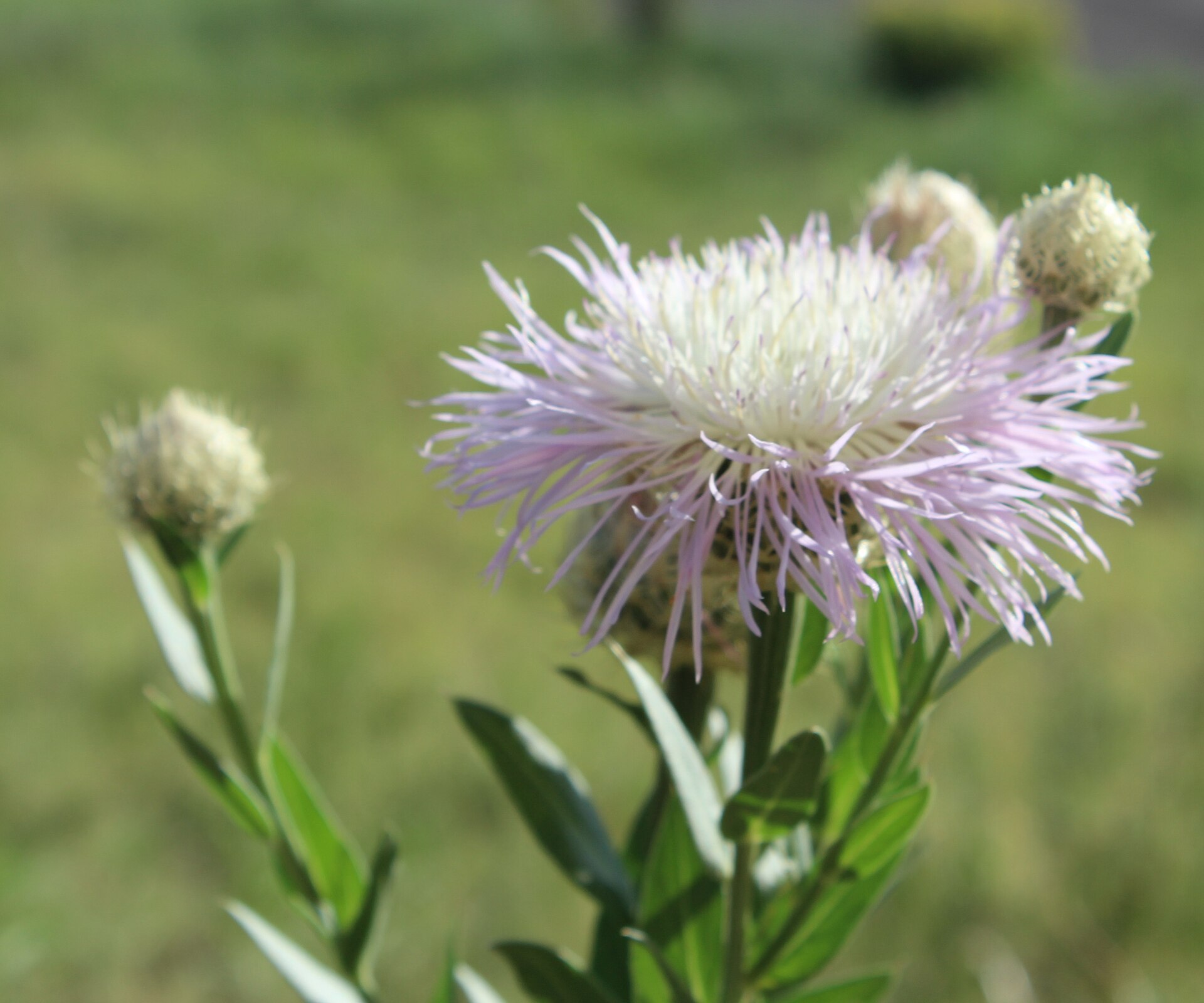
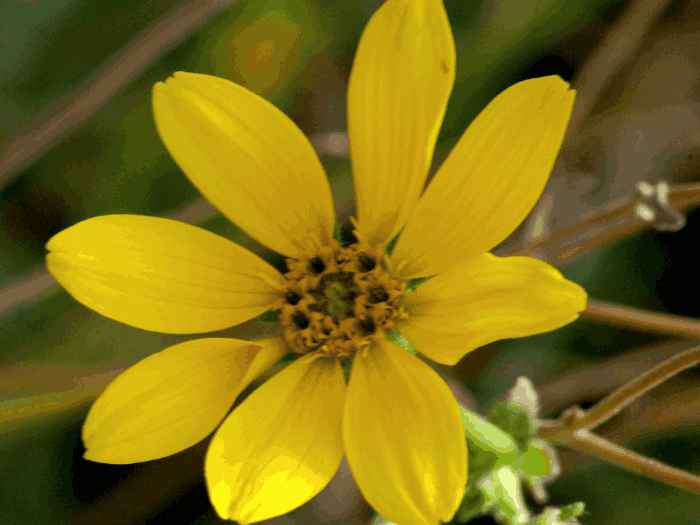
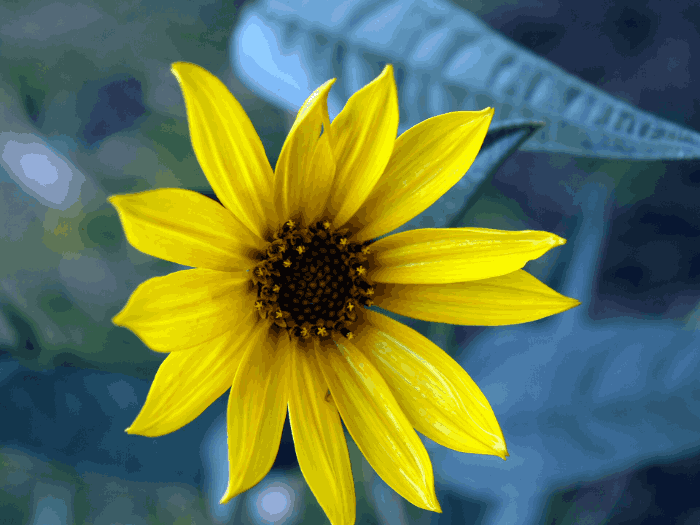
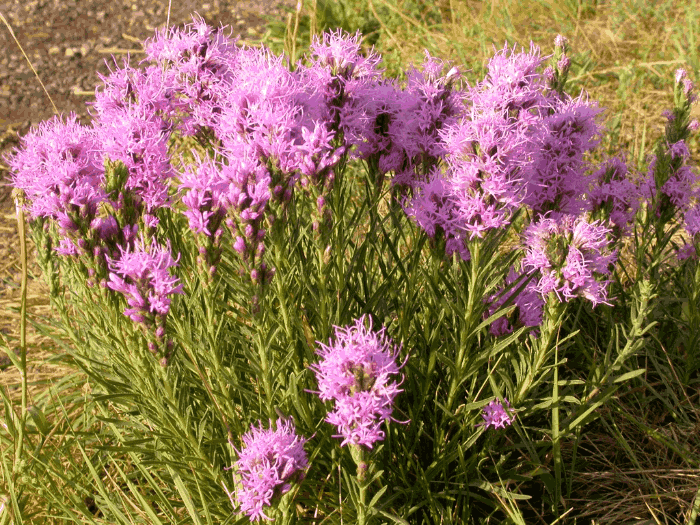
The long view
None of this looks like much for a while. A drilled field looks like bare dirt, then like weeds, and only years later like prairie — realistically five to ten years before the natives take over and the stand carries itself. The conversion is one move in a fifteen-year opening arc, and the grassland it makes will need fire and care long after that. The last harvest was an ending. This is the slow start of the next thing.