Field Journal
A field desk, not a feed. The latest dispatches sit up top; everything else is filed by section below.
Latest Dispatches
Subscribe · RSS ↗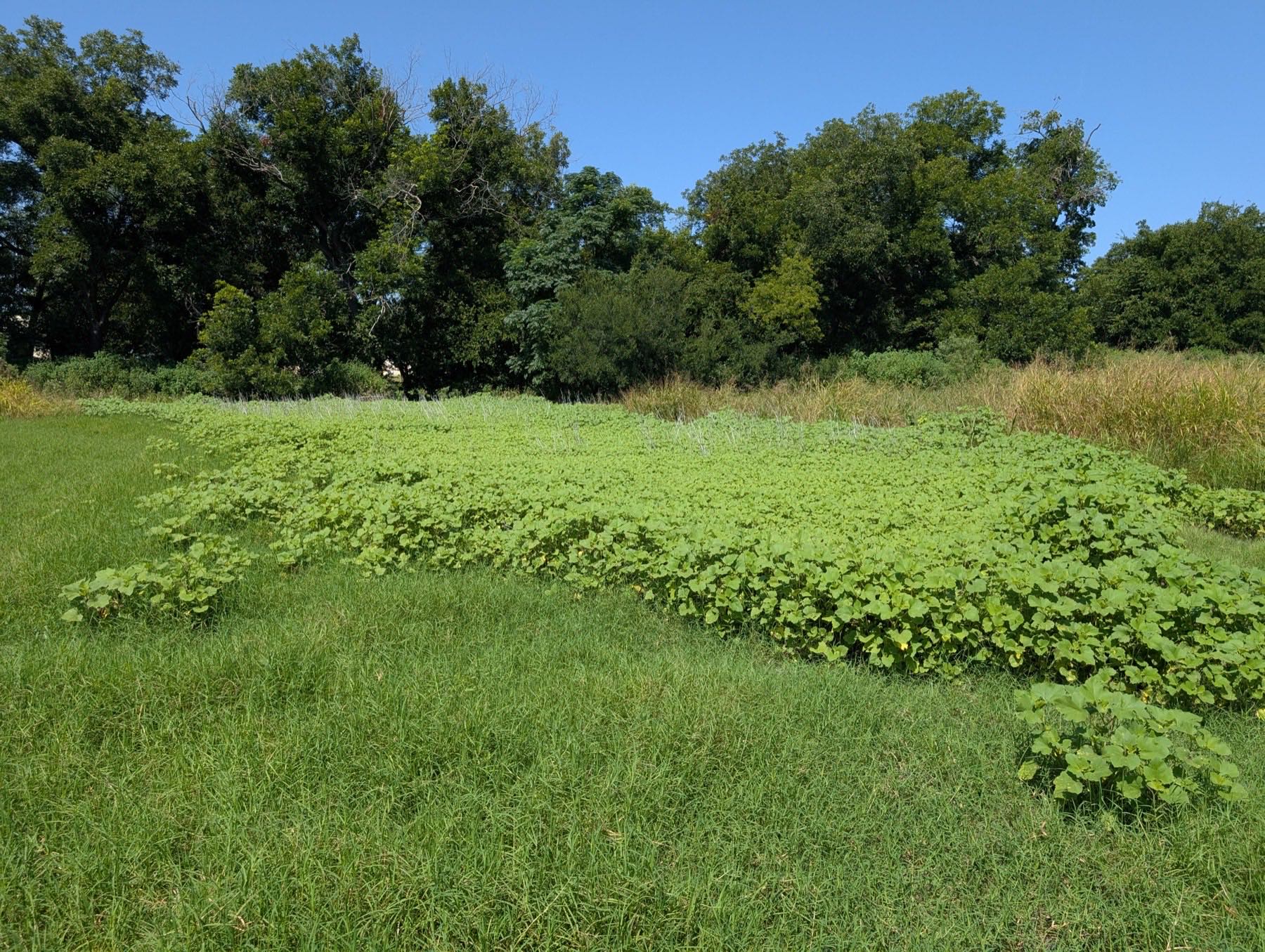
The Weed That Found a Wetland
Half an acre of cocklebur in the southernmost corner of the floodplain basin turns out to be one of the best survey instruments on the land — and the start of a seasonal wetland pocket.
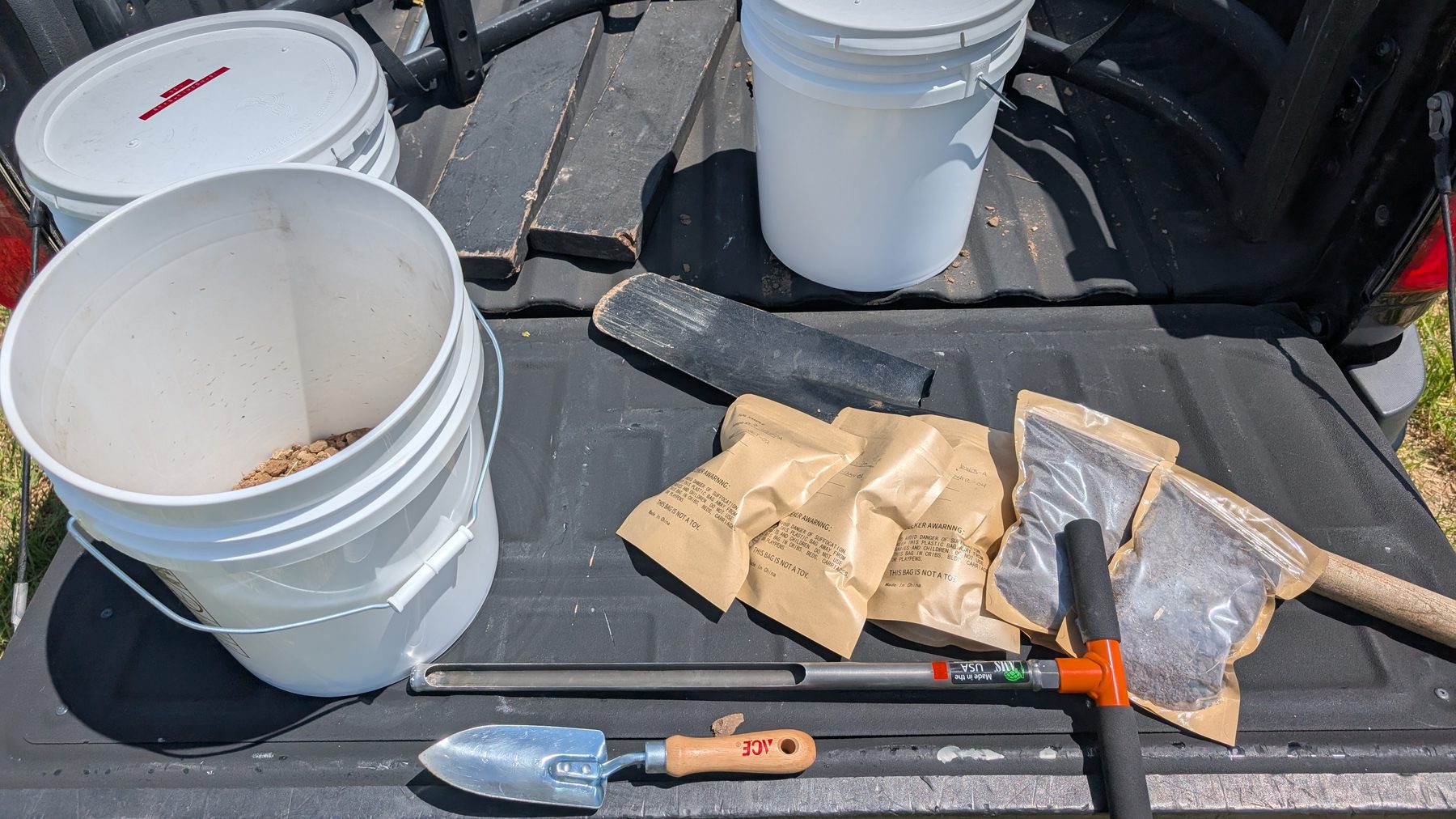
Reading the Ground — the Soil Work Begins
Sampling the tract’s soils three ways: for the NRCS record, for the native seeding to come, and for the propagation bench’s potting mix.
Grounds & Restoration
Land work — clearing, burndown, seeding, survey and the plan behind it.4 on fileWildlife Affairs
The Weed That Found a Wetland
Half an acre of cocklebur in the southernmost corner of the floodplain basin turns out to be one of the best survey instruments on the land — and the start of a seasonal wetland pocket.
Forestry & Fire
Reading the Ground — the Soil Work Begins
Sampling the tract’s soils three ways: for the NRCS record, for the native seeding to come, and for the propagation bench’s potting mix.
Office of the Steward
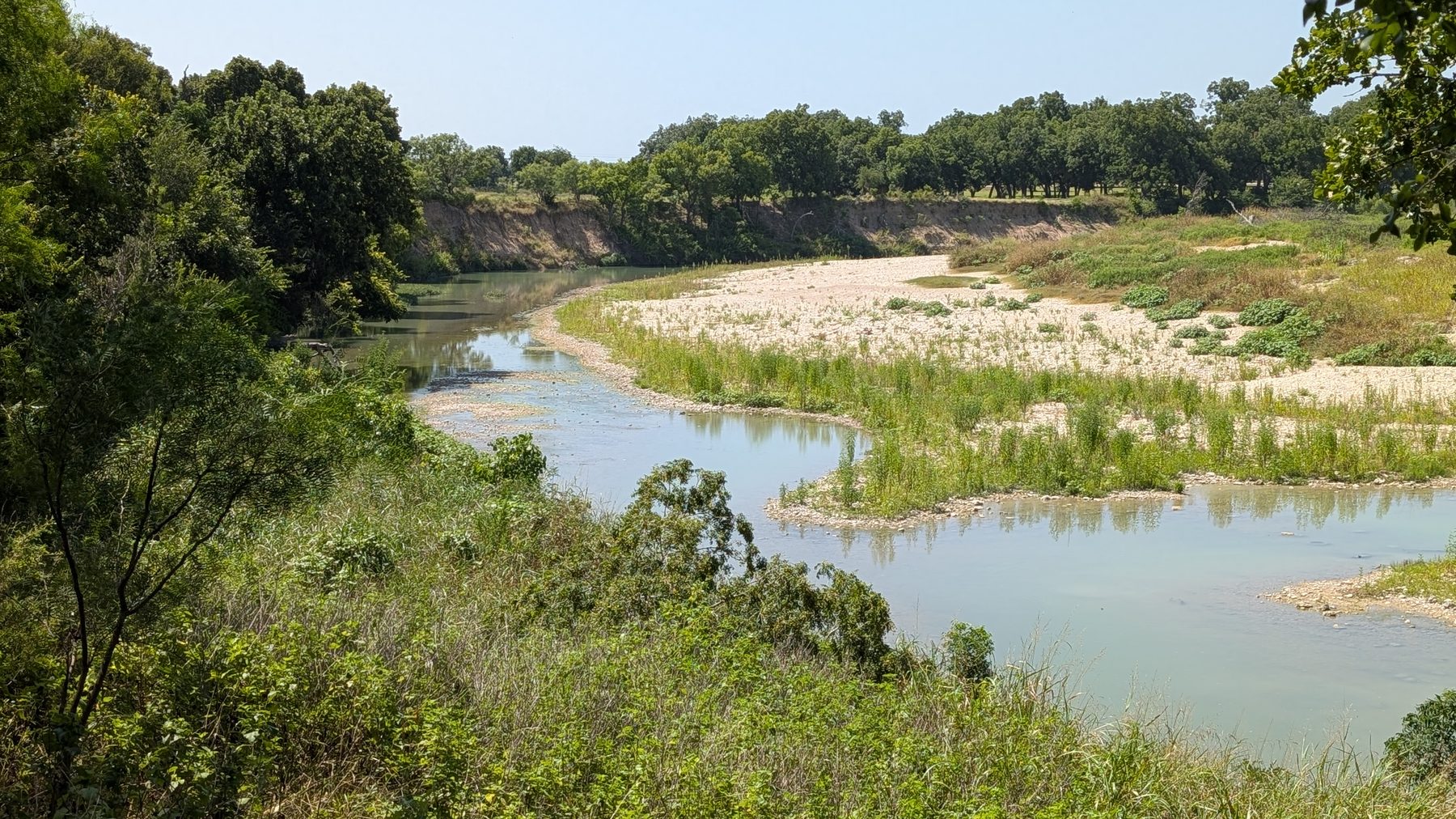
Why We’re Doing This — and What the Land Needs
A plain accounting of the ground we were handed, what's wrong with it, how we plan to fix it, and the trouble we expect on the way.
Agriculture & Grazing
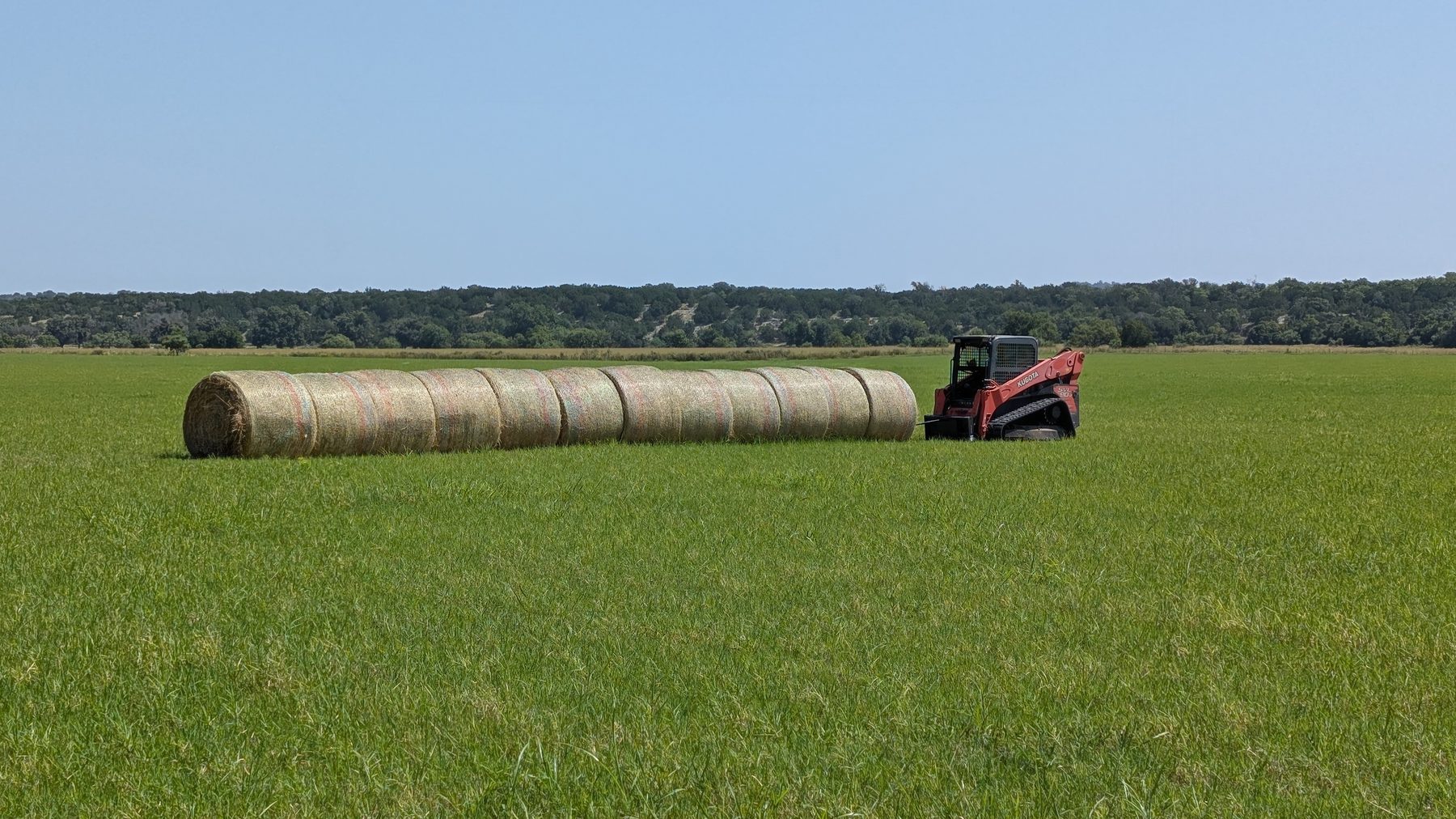
The Last Harvest, and the First Burndown
The final cutting of Tifton 85 came off the field in late June. Now we turn roughly 45% of the property back toward native prairie.
The Station
The instruments, the funding and how the place came to be.3 on file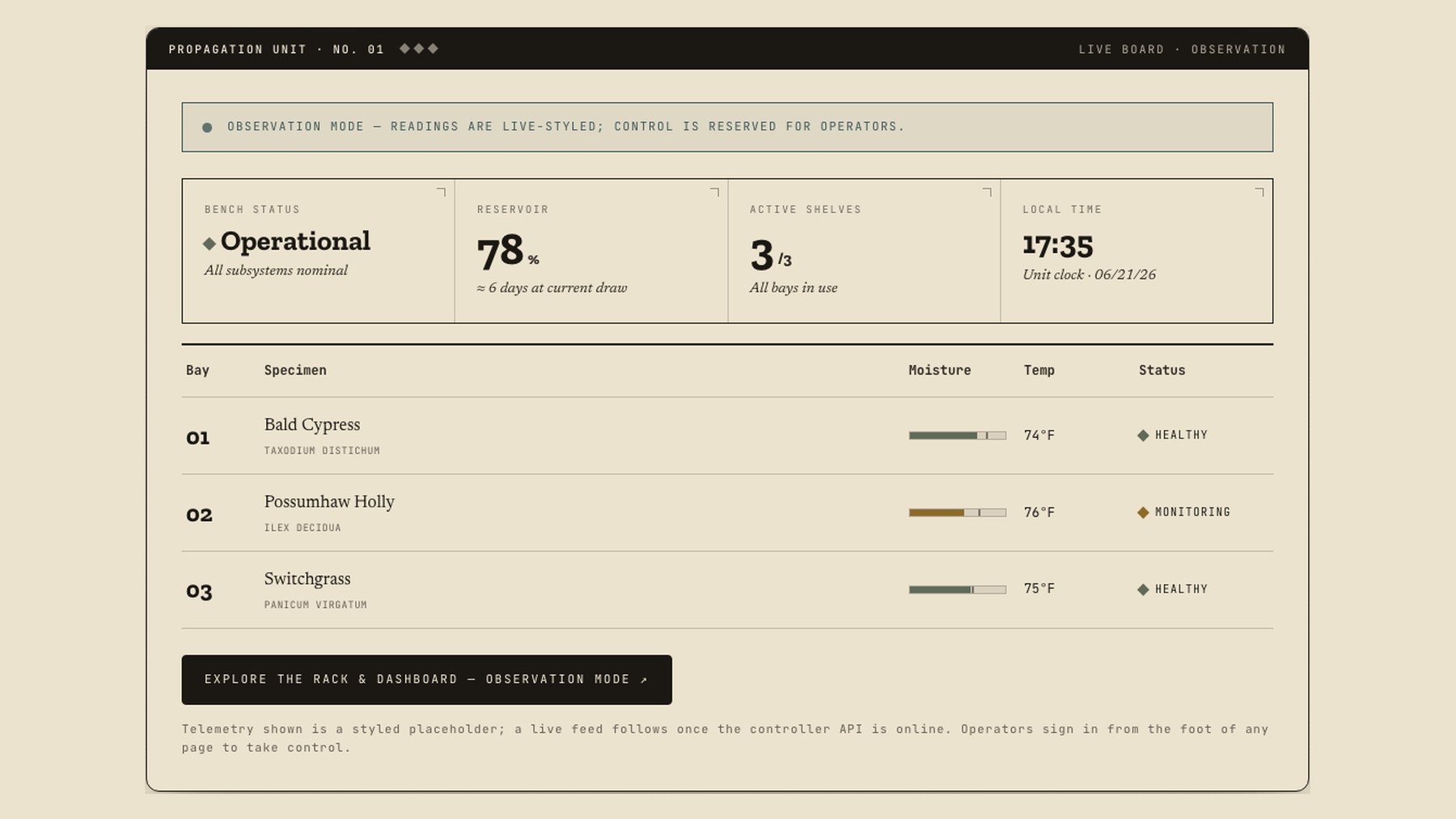
Forestry & Fire
Propagation Unit No. 01
The goals, and the full build list, for the first semi-automated propagation bench.
Office of the Steward
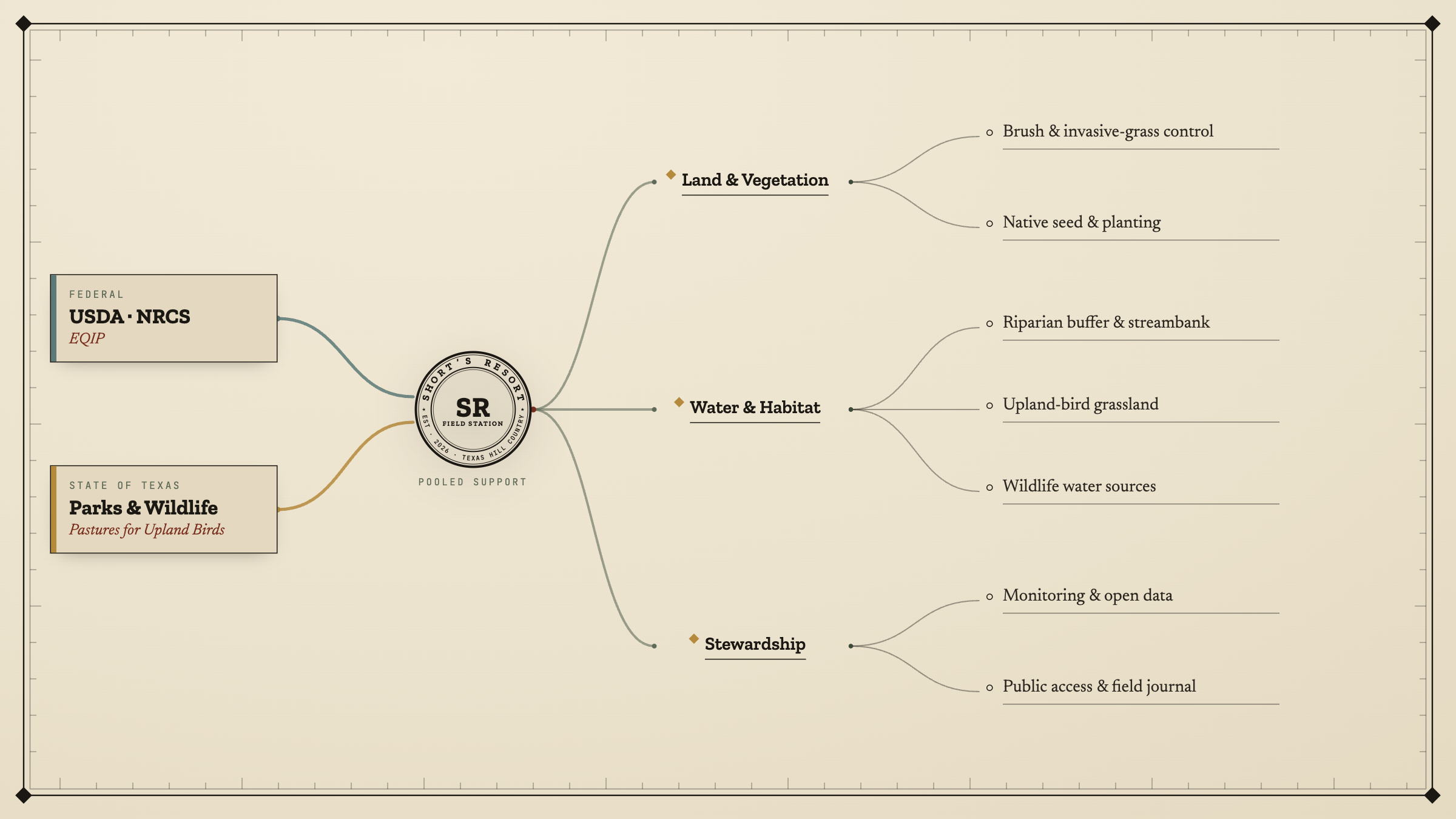
Two Grants, and What They Buy
Cost-share through NRCS EQIP, and a Texas Parks & Wildlife Pastures for Upland Birds (PUB) grant.
Office of the Steward
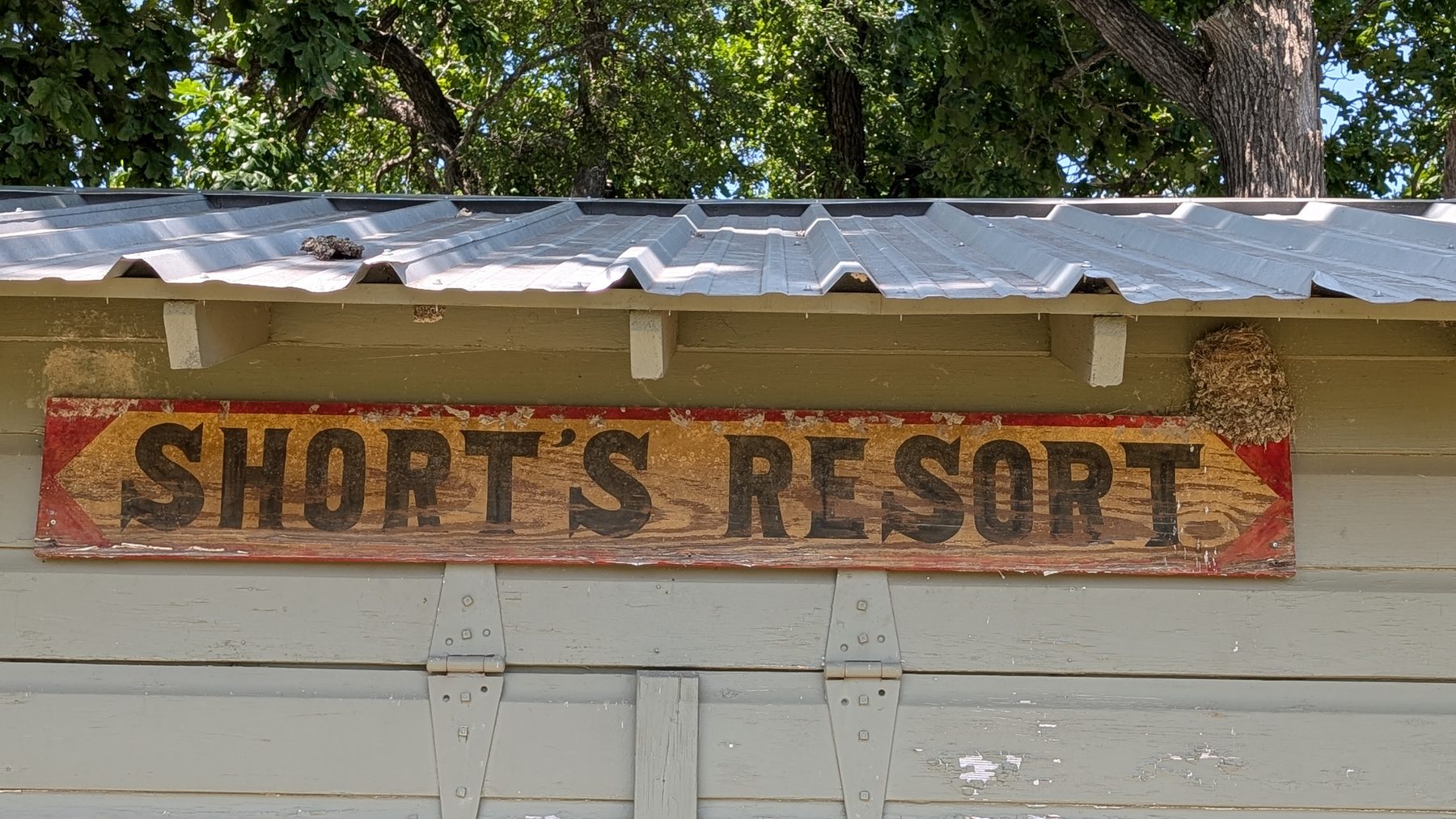
The Cabin, and Why We Started
How a small family holding in the Hill Country turned into a field station.